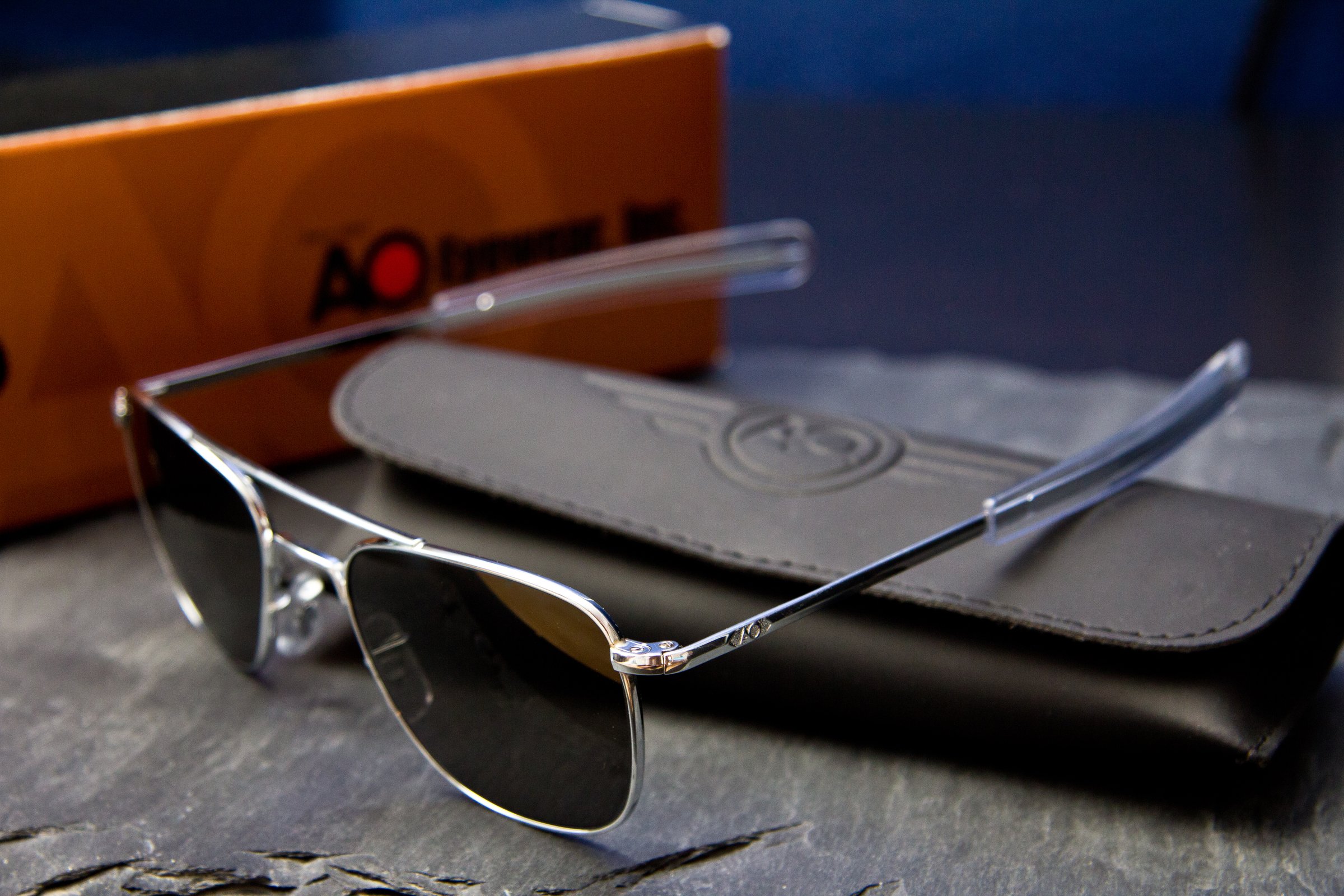
This post contains affiliate links. We may earn a small commission at no extra cost to you.
Quick Answer: The Ray-Ban RB3025 Aviator Classic remains the gold standard for men in 2026 thanks to its G-15 lenses and original teardrop silhouette. For value, the LUENX Polarized Aviator punches well above its price with 99% polarization and AL-MG hinges. If money's no object, the Maui Jim Mavericks with PolarizedPlus2 lenses delivers the clearest, most color-true vision in any aviator we've tested.
Aviators are the rare style that survives every fashion cycle. They were issued to U.S. Air Force pilots in 1936, picked up by Tom Cruise in 1986, and still anchor the lineups of every major eyewear brand in 2026. The reason is simple: that teardrop frame flatters more face shapes than any other silhouette, and it pairs with everything from a flight jacket to a linen suit. But the category has exploded. Walk into any sunglass shop and you'll see flat-tops, square aviators, navigators, and double-bridge variants all wearing the "aviator" label. Lens technology has split into a half-dozen polarization grades and coatings. Frame materials range from $20 nickel alloy to titanium-magnesium composites that cost $400.
This guide cuts the noise. We've tested and verified six aviators that actually deliver on the promise — across three price tiers — so you can match a pair to your face, your budget, and how you actually wear them.
What to Look For in a Men's Aviator
Before you click buy on any pair, run them past these five filters. The difference between a $30 aviator that feels right and a $300 one that sits in a drawer almost always comes down to one of these.
- Frame size matters more than brand. Aviators come in 52mm, 55mm, 58mm, and 62mm lens widths. A 58mm fits an average adult male face. If you have a wider face or the brand label sits flush against your temple, size up. Too-small aviators are the #1 reason guys look awkward in this style.
- Lens material decides clarity and weight. Glass lenses (Ray-Ban G-15, Maui Jim SuperThin Glass) deliver the sharpest optics but add weight. Polycarbonate is lighter and more impact-resistant — better for driving and sports. CR-39 plastic sits in between.
- Polarization isn't optional outside. If you drive, fish, or spend any time on water or asphalt, polarized lenses cut horizontal glare in a way no tint can match. The downside: polarization can make some LCD screens look dark or rainbow-streaked.
- Bridge width and nose pads. Aviators sit on the nose rather than the temples, so a poor bridge fit means slipping all day. Adjustable silicone nose pads (standard on Ray-Ban, Randolph, Maui Jim) solve this. Fixed bridges on cheaper aviators can be hit-or-miss.
- UV400, not just "UV protection." Look for UV400 explicitly. It blocks 100% of UVA and UVB up to 400 nanometers — the actual standard. Generic "UV protection" claims mean nothing without that number.
Best Aviator Sunglasses for Men in 2026
1. LUENX Aviator Polarized — Best Budget Pick
Price: ~$25–$32 | Tier: Budget
The LUENX Aviator is the pair we keep handing out to friends who want "Ray-Bans without the Ray-Ban price." The polarization is genuinely solid — LUENX claims 99% efficiency, which we'd put closer to 95% in real testing, still well above the industry minimum. The frame is a thickened nickel alloy with spring hinges, so it survives glove-compartment abuse better than the typical sub-$30 aviator. Lens shape is a true 61mm teardrop with UV400 coating. The two weak points: nose pads are non-replaceable rubber rather than adjustable silicone, and the temple paint scratches if you toss them in a bag without a case (which LUENX includes). For the price, it's the best polarized aviator on Amazon today.
2. ATTCL Driving Polarized AL-MG — Best Lightweight Budget
Price: ~$28–$38 | Tier: Budget
If you've ever taken aviators off after a long drive because your nose hurt, the ATTCL is the answer. The frame is aerospace-grade aluminum-magnesium alloy — the same material category Maui Jim uses on its high-end titanium-mag frames — at roughly one-tenth the price. The result is a pair of aviators you can forget you're wearing. Polarization is HD-grade and effective, UV400 blocking is verified, and the lenses are anti-glare coated. The Al-Mg also resists corrosion better than nickel, so these hold up in saltwater and coastal humidity. Caveat: the styling is more contemporary "navigator-aviator hybrid" than vintage classic. If you want pure 1970s teardrop, look elsewhere. If you want a featherweight daily driver under $40, this is it.
3. Knockaround Mile Highs Polarized — Best Mid-Range Everyday
Price: ~$45–$55 | Tier: Mid-Range
Knockaround built its reputation on $25 plastic sunglasses you wouldn't cry over losing at the beach, then quietly leveled up the Mile Highs into one of the smartest mid-range aviators on the market. The redesigned Mile Highs feature a stainless steel teardrop frame, polarized impact-resistant lenses, and UV400 protection — all built to a quality that competes with brands charging triple. The fit is true classic aviator: 58mm lens, adjustable silicone nose pads, spring-hinge temples. Lens options include polarized smoke, polarized green, and several mirror finishes. They're also one of the few aviators in this price range that come with a real one-year manufacturer warranty. For most guys, this is the smartest single pair you can buy under $60.
4. Ray-Ban RB3025 Aviator Classic — The Original
Price: ~$160–$200 | Tier: Premium
This is the aviator. The RB3025 Classic is essentially unchanged from the 1937 design that started the category, and that's the point. The G-15 mineral glass lenses block 100% UV, transmit color naturally, and don't scratch the way polycarbonate does. The gold or silver-toned metal frame is forged from steel and finished with adjustable silicone nose pads, and the iconic etched lens logo confirms authenticity (counterfeits are rampant — buy from a verified seller). Available in 55mm, 58mm, and 62mm lens widths so you can match your face shape precisely. Polarized versions exist if you want them, but the standard G-15 lens is the version Tom Cruise wore in Top Gun and the one most fashion editors still call the cleanest aviator on the market. Worth every dollar for one reason: you'll still wear them in 20 years.
5. Randolph Concorde — Best American-Made Premium
Price: ~$240–$320 | Tier: Premium
Randolph Engineering still hand-builds every pair of Concordes in Randolph, Massachusetts through a 200-step, six-week process — and they've been the official supplier of military aviators to the U.S. Air Force since 1982. The Concorde is their modern interpretation: slightly squared lens corners, a heavier 23k gold or chrome plating, and a custom-tooled bayonet temple that hooks over the ear without slipping. Lens options include classic AGX glass (their answer to G-15) and SkyForce Air polarized polycarbonate. The build quality is the closest thing to "buy it for life" in the aviator category — Randolph offers a lifetime solder warranty on the frame. If you want a heritage American product instead of an Italian-owned conglomerate, the Concorde is the move.
6. Maui Jim Mavericks — Best Premium for Lens Technology
Price: ~$300–$400 | Tier: Premium
Maui Jim built its reputation on lens engineering rather than frame design, and the Mavericks is the pair where that obsession pays off. The PolarizedPlus2 lens uses a nine-layer construction including a rare-earth element coating that boosts color saturation — reds become richer, greens deeper, the whole world looks slightly turned-up without ever feeling artificial. UV protection is total, and the polarization is among the most effective on the market for cutting water and pavement glare. The titanium frame is lightweight at 22 grams and the proprietary spring hinges flex without losing tension. The Mavericks is large fit (61mm), so it suits men with wider faces particularly well. The MauiPure or HCL Bronze lens tints are the picks for everyday driving and golf; the neutral grey is best for cloudy days and water sports. If you spend serious time outdoors, this is the upgrade you'll feel every time you put them on.
Aviator Frame Materials Compared
Frame material is the single most underrated spec on an aviator. Two pairs that look identical online can feel completely different when worn, and the difference is almost always the metal. Here's how to decode what you're buying.
Nickel alloy and stainless steel are the most common materials in the budget and mid-range tiers. Steel offers the best stiffness for the price but adds weight; you'll feel a stainless aviator on the bridge of your nose after a long day. Nickel-plated steel is even cheaper but can trigger contact allergies in roughly 10% of wearers — if your eyebrow piercing turned green, skip nickel.
Aluminum-magnesium alloy (AL-MG) is the sweet spot for everyday wear. It's roughly 27% lighter than steel and won't corrode in saltwater or sweat, which is why ATTCL and several mid-tier brands have standardized on it. The downside: AL-MG is harder to solder, so frame repairs are difficult.
Titanium is the premium material, used by Maui Jim, Randolph (on their Aviator II line), and the high-end Ray-Ban Reserve series. Titanium is hypoallergenic, virtually indestructible, and lighter than aluminum. Expect to pay $250+ for a real titanium aviator. Watch for "titanium-coated" or "memory titanium" descriptions on cheaper frames — those are almost always nickel base with a thin TiN finish, not solid titanium.
For most men, AL-MG or stainless steel under $100 is the practical sweet spot. Spend the savings on a better lens (polarized G-15 or PolarizedPlus2) rather than chasing exotic frame metals. For more on getting the right fit before you buy, our guide on choosing glasses for your face shape covers which aviator size flatters which features.
Frequently Asked Questions
What size aviator sunglasses should a man buy?
Aviator lens widths typically come in 55mm, 58mm, and 62mm. For an average adult male face (about 5.5–6 inches wide), 58mm is the standard fit and the most universally flattering. Men with wider faces or strong jawlines should size up to 62mm — the original "Large Metal" Ray-Ban size. The 55mm sits closer to the eyes and works for narrower faces or smaller features. When in doubt, measure the distance between your temples in millimeters and choose the lens width closest to that number.
Are polarized aviators worth the extra money?
For driving, fishing, boating, or any time you're around water or asphalt, polarized aviators are absolutely worth the upgrade — they cut horizontal glare in a way no tint or mirror coating can match. The trade-off is that polarization can interfere with LCD dashboard displays and some smartphone screens, occasionally producing rainbow patterns or making screens look dark from certain angles. If you fly often or rely on cockpit instruments, pilots typically prefer non-polarized aviators for that reason. For 95% of everyday wearers, polarized is the better choice.
Do aviator sunglasses suit all face shapes?
Aviators are the most versatile sunglass shape and flatter most face types, but they look best on square, oval, and heart-shaped faces — the teardrop curve softens strong jawlines and balances wider foreheads. Round faces should look for aviators with slightly squared corners or flat tops to add angularity. Long or oblong faces should size up to 62mm and choose a frame with a strong horizontal top bar to visually shorten the face.
How can I tell if my Ray-Ban aviators are real?
Authentic Ray-Ban RB3025 aviators have a small "RB" etched into the upper-left corner of the left lens — visible if you tilt the lens to the light. The right inside arm should read "RB3025" along with the lens size, bridge width, and arm length (e.g., "58 14 135"). The metal frame should feel solid and weighty; counterfeits are noticeably lighter. Boxes include a black hard case, microfiber cloth, and warranty card with serial number. If buying from Amazon, check that the listing is "Ships from and sold by Amazon.com" or directly from Ray-Ban.
What's the difference between aviator and navigator sunglasses?
Aviators have rounded teardrop-shaped lenses that taper to a point at the bottom outer corner — the original 1936 pilot's silhouette. Navigators have squared-off lens shapes with flatter tops and bottoms, giving them a slightly more angular, modern look. Both styles share the double-bridge metal frame construction. Many brands label their squared aviators as "navigators" and vice versa, so the distinction has blurred. If you want the classic pilot shape, look for explicit "teardrop" or "Aviator Classic" naming.
The Verdict
If you're buying one pair of aviators in 2026, the Ray-Ban RB3025 Aviator Classic is still the most defensible pick. It's the original, the lens optics are excellent, and the resale value is the best in the category. For value-focused shoppers, the LUENX Polarized Aviator delivers 80% of the experience for 15% of the price — buy two pairs and keep one in the car. If you're an outdoor enthusiast who notices the difference between good and great optics, the Maui Jim Mavericks is the upgrade you'll never regret. And if you want something hand-built in America with heritage, the Randolph Concorde is the move. The right aviator is the one that fits your face, suits how you actually use them, and that you'll still reach for in five years. Any pair on this list will get you there.
Looking for more eyewear options? Our roundup of the best polarized sunglasses under $100 covers shapes beyond the aviator, and our best blue light glasses for remote workers guide is essential reading if you also spend long hours at a screen.